


As Principal of Albany Senior High School, I’ve been waiting for the the great “reveal” of the senior subjects list with great interest. At first glance, the breadth is wider than many of us anticipated, and that’s a welcome win. But beneath the surface, the timing, process, and detail raise serious concerns about how well this serves our young people, our teachers, and the future of education in Aotearoa.

Consultation That Isn’t Consultation
The list has been released right before the September 15 deadline for giving feedback on the proposal to replace NCEA. Releasing such significant information at this late stage simply does not support meaningful consultation. Genuine partnership (as promised under Te Tiriti o Waitangi) requires early, transparent, and collaborative engagement with schools, students, whānau, and communities.
Instead, we are being presented with a “done deal” list of subjects, in the final days of a less than convincing “consultation”. That undermines trust and risks alienating the very sector expected to bring this vision to life.
The Expansion of VET Subjects – Equity and Resourcing at Risk
The inclusion of a large number of new vocational education and training (VET) subjects reflects a intent to broaden pathways. That’s important. However, how these subjects will be developed, resourced and even taught remains unclear. The devil will be in the detail (which at this stage we do not have), but already the risks are clear:
Resourcing: Currently, vocational programmes such as STAR and Trades Academy are often delivered off-site by external providers. If schools are expected to take these on, where is the additional funding and infrastructure or this is a sign that VET subjects will simply be outsourced? Will they even be taught by registered teachers?
Staffing: If we do get to teach these in school (it is not clear that we do) schools already struggle to recruit specialist teachers. How will we staff new VET subjects without further draining our workforce?
Equity: Larger, urban schools may cope; smaller and rural schools will likely miss out. That creates a two-tier system.
Privatisation: By handing responsibility to Industry Skills Boards (overseen by something akin TEC but still within MoE curriculum?), we risk fragmentation and creeping privatisation. Who ensures consistency, fairness, and access for all students?
These are not minor details, they determine whether these subjects genuinely increase opportunity or entrench inequity. With little actual detail it’s hard to know how to feel.
What We Are Losing
While new subjects emerge, others have quietly disappeared or been subsumed:
Art History – gone.
Education for Sustainability - gone.
Food and Nutrition (Home Economics) – removed from the Health & PE curriculum. Is Food Technology now with Materials & Processing Technology? It’s hard to know without the detail.
Agriculture & Horticultural Science – eliminated, despite its role as a core academic subject and a critical pathway for rural schools.
Food Technology folded into “Materials and Processing” (one presumes), diluting its identity.
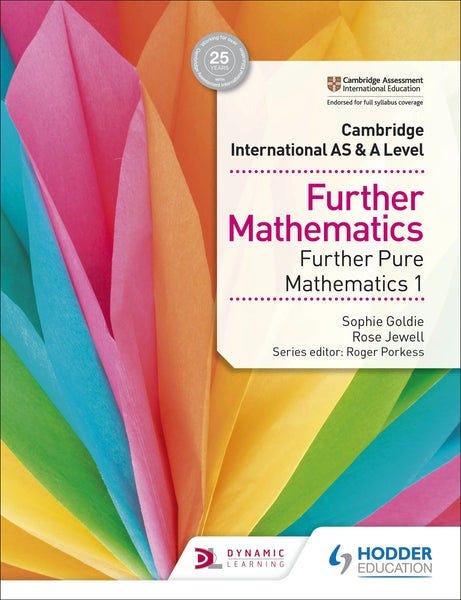
Meanwhile, “Further Maths” has appeared – which appears to be imported directly from the UK Cambridge GCSE framework.
These choices raise questions about what knowledge and disciplines we value as a nation. Removing Food & Nutrition and Agriculture & Horticultural ignores Aotearoa’s deep connections to land, food, and wellbeing. Cutting Art History erodes cultural literacy. At the same time, borrowing from overseas frameworks risks undermining our own curriculum identity. Whilst there are some great additions such as Pacific Studies, we are yet to know what these subjects actual entail.
A Narrower, More Prescribed Curriculum?
Whilst the list of subjects may be broad, one of my greatest concerns is the loss of flexibility. At Albany Senior High School, for instance, we have built integrated courses that reflect real-world learning and student passions:
Democracy, Liberty & Justice (English + Social Studies)
Gender Histories (Classics + History)
Integrated English (English + Drama)
Pathways (a bespoke mix of unit standards tailored to each students pathway)
Across the motu, schools offer integrated STEM, cross-disciplinary projects, and unique subject blends. This flexibility has been one of NCEA’s greatest strengths.
But the new model appears far more siloed. To achieve credits, students will likely have to complete an entire subject package (and entire subject curriculum), losing the ability to mix and match.
The risk of narrowing each subject curriculum (so as to fit the constraints of the proposed NZCE), means forcing prescriptive content (e.g., Shakespeare in English) and stifling innovation.
It’s important that we don’t conflate a broad list of subjects with a broad curriculum. There have been many signals to suggest we are moving towards far narrower more prescribed syllabus with each of the subjects listed.
Strengthen NCEA – Don’t Replace It
This senior subject list alone represents massive change. Layering an entirely new qualification framework on top of that is unnecessary and destabilising. Let alone the expense and workload!
NCEA is not perfect, but it is flexible, inclusive, and proven. It has supported both academic and vocational pathways, and allowed schools to innovate to meet the needs of their students. The smarter move is to strengthen NCEA – align it better with curriculum refresh, review standards, and improve consistency – not replace it entirely.
Our students deserve stability, clarity, and confidence in their qualifications. Right now, we are risking upheaval that could undermine equity and excellence alike.
My Call as a Principal
As a school leader, I want an curriculum and an assessment framework that:
Is inclusive, valuing the arts, sciences, vocational learning, and cross-disciplinary pathways equally and meeting the needs of all learners, ensuring our most at-risk learners are having their needs met.
Is future-focused, preparing students for a rapidly changing world, not a narrow set of pre-determined subjects and supports innovation course design and lends itself to personalisation and localised curriculum design.
Is Te Tiriti-led, with genuine partnership, equity, and respect for the diversity of learners across Aotearoa.
Builds on the strengths of NCEA rather than discarding them.
We owe it to our young people to get this right. The senior subject list shows both promise and peril. What happens next will determine whether we create a “UK lite” syllabus or an education system that truly reflects the needs and aspirations of all learners in Aotearoa.
As Distinguished Professor Viviane Robinson states, we need to reduce change to increase improvement.
It's interesting to look at what a number of the omitted subjects potentially have in common. Many of them, in some way, relate to living sustainably on the only planet we have. Most obviously, this applies to the EfS standards. It's shocking that they have been removed (and at the very time when a whole strand related to this has been added to the PISA science framework.) But Home Economics has always had a strong food sustainability strand (its name doesn't do the subject justice). I imagine it is also one of theoretical components of Ag/Hort, as it is in Outdoor Ed, which has been relegated in status. The importance of being strongly grounded in natural places comes through as a very strong theme in the future-focused literature and came up time and again at the EdRising symposium in July. In schools with courses such as those you list Claire, sustainability will be one potential overarching theme that brings components of different subjects together. So, the drive to restrict flexibility will further limit the chances that our young people will learn to 'be' in ways that are at least as important as anything else they might learn in school. We don't have a Planet B!!
Loving the discussion. Be mindful of what we are buying into.
Firstly, interesting that the Further Math is coming from the Cambridge Exam Centre. The draft NZC English curriculum that’s been pulled from the MOE website bore a striking resemblance to the English curriculum from England’s NC circa 1990s. Whilst ‘Stages’ have become ‘Phases’ and we have a smattering of reo and a change in font and colour, pretty much it’s a rehash of what I was teaching in my early days as a teacher of English in England: content almost identical with an emphasis on Shakespeare, 19th Century novel and prescribed texts. We were highly resourced and highly constricted but we did what teachers have always done - we were innovative, adaptive and met the needs of our students despite the constraints. Because that’s what good educators do.
Somebody somewhere is making some serious money rebranding a 30+ year curriculum and its resources and flogging it to this government.
Be careful what you buy and what you buy into. The world is very different now than the 1990s and it certainly want perfect then.
PS Cambridge Exams was and are one of the smaller GCSE and A Level providers in England and Wales, if they even offer them there now. Cambridge Exam Centre offers qualifications to the international market presumably by using the name ‘Cambridge.’ I may be wrong but they are not associated with the University.